From a flat sheet to a finished shape
从整片网到成型件
Crystal Mesh leaves our line as a continuous sheet. Stones sit in a set pattern on a flexible backing, and the whole face is uniform. That is exactly what you want to receive, because it lets you cut the shape your product needs instead of paying for a fixed motif. The catch is that the cut is where a clean sheet either stays clean or starts shedding stones.
水钻胶网片出我们产线时是连续的整片。钻按固定排布卡在柔性底上,整张面是均匀的。你要的就是这种到货状态,因为它让你按产品需要的形状去裁,而不是花钱买一个定死的花型。问题在于:一张干净的网,是继续干净还是开始掉钻,全看这一刀。
Buyers sometimes treat cutting as an afterthought. It isn't. A vamp panel, a heel wrap and a 4mm collar strip all come off the same sheet, but each one wants a different cutting method, a different edge treatment and a different nesting layout. Get those three right and your yield climbs while your reject rate falls.
买家有时把裁切当成顺手的事。不是的。一块鞋面、一片包跟、一条 4 毫米的领口条,可能都从同一张网上来,但每一种要的裁法、切边处理和排版都不一样。这三样做对了,出材率往上走,次品率往下掉。
Hand cutting, knife cutting and die-cutting
手工剪、刀切与刀模冲
Three methods cover most production. Hand cutting with scissors or a rotary blade suits samples, short runs and odd one-off shapes. It needs no tooling and you can start today, but it is slow and the edge depends on the operator's hand. For a trial order or a first sample, it's the right call.
三种方法覆盖大多数生产。手工剪(剪刀或滚刀)适合打样、小批量和零散的异形件。不用开模,今天就能动手,但慢,切边好不好看操作工的手。试单或第一版样品,用它是对的。
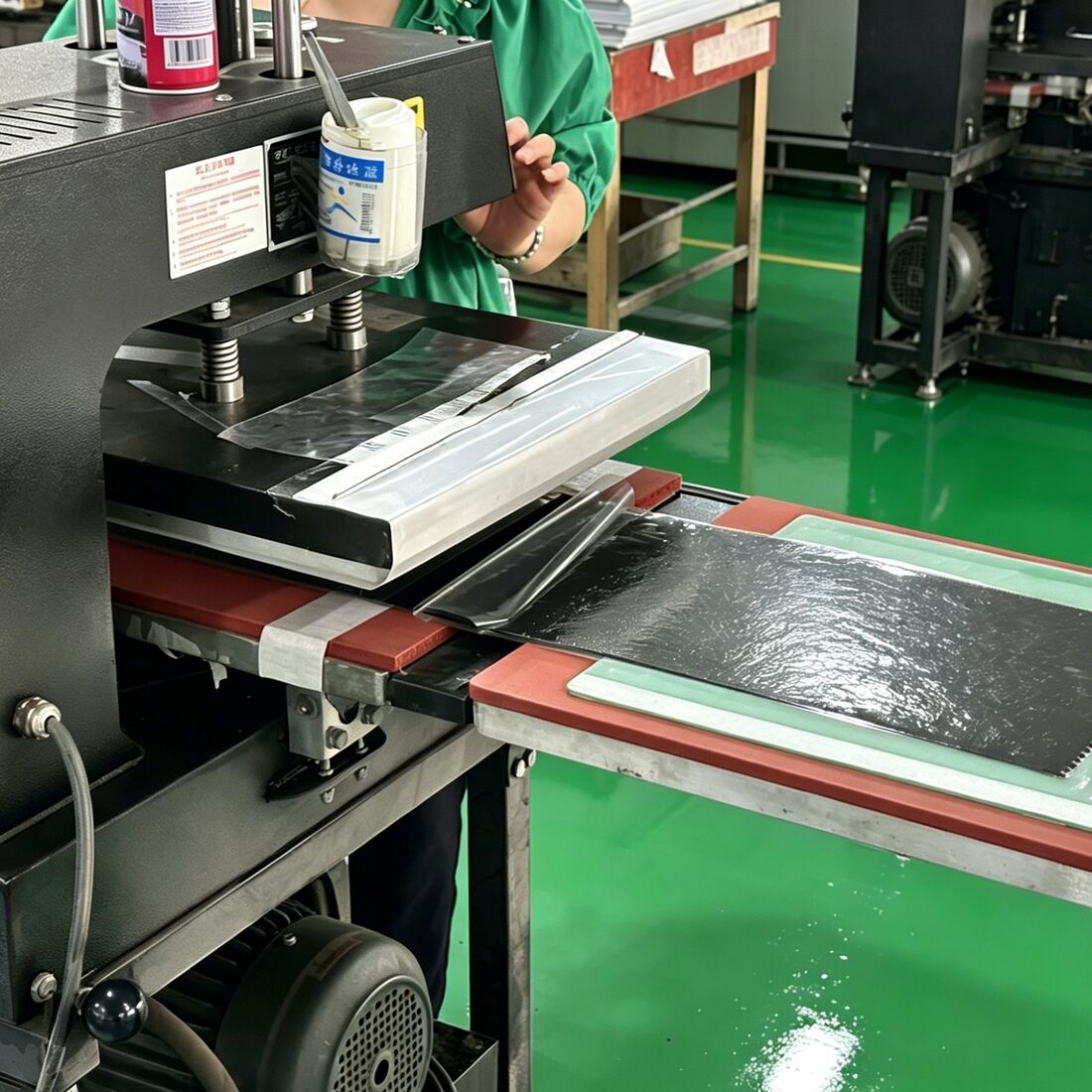
Knife cutting on a CNC or oscillating table steps it up. The machine follows a digital outline, so every piece matches the last and you can cut layered stacks at once. This is the workhorse for medium runs where the shape changes between styles but the volume per style stays moderate. Die-cutting is the volume answer. You invest in a steel-rule die shaped to your panel, then stamp identical pieces fast, with a sealed edge in the same stroke. The die costs money up front and only pays back over quantity, so it suits a confirmed style you'll reorder.
数控刀切或往复刀台再上一档。机器照数字轮廓走,每片都和上一片一样,还能一次切叠起来的好几层。款式间形状会变、但单款量中等的中批量生产,靠的就是它。刀模冲是走量的答案:你投一副照着你的版型做的钢刀模,然后快速冲出一模一样的片,同一下还把边压封了。刀模前期要花钱,得靠数量摊回来,所以适合已经定版、会返单的款。
Here is the quick split by run size:
- Hand cutting: samples, one-offs, irregular shapes, zero tooling cost.
- Knife / CNC cutting: medium runs, changing shapes, no die needed, matched pieces.
- Die-cutting: large repeat runs, one fixed shape, fastest per piece, sealed edge built in.
中文同一份:
- 手工剪:打样、单件、异形,零开模成本。
- 刀切/数控:中批量、形状常换、不用开模、每片一致。
- 刀模冲:大批量返单、单一定形、单片最快、切边自带封口。
Controlling waste: nesting and yield
损耗控制:排版与出材率
The sheet is the cost. Every square you cut around is square you paid for, so how you lay shapes on the sheet decides your real price per pair. Nesting is the craft of packing those shapes tight, rotating and interlocking them so the gaps shrink. On a CNC table the software does this for you. By hand it is the cutter's experience that keeps the offcuts small.
网片就是成本。每一块你绕着裁的边角,都是你付过钱的料,所以形状怎么摆在网上,决定了每双的真实价格。排版就是把这些形状塞紧的功夫:转一转、互相咬合,让缝隙变小。数控台上软件替你算,手工裁就靠裁工的经验把边角料压下来。
Two habits save material. First, cut the big panels first and drop small trims like 4mm strips into the leftover lanes between them. Second, keep your stone pattern in mind: cutting along the line of stones wastes less than cutting across it, because a cut that splits a row leaves half-stones that shed. We plan the layout so cuts fall in the channels between stones wherever the shape allows.
两个习惯省料。一是先裁大块鞋面,再把 4 毫米窄条这类小辅料丢进它们之间剩下的缝里。二是心里装着钻的排布:顺着钻的行裁比横着裁省料,因为一刀劈过一行会留下半颗钻,那种钻会掉。形状允许的地方,我们都把刀路安排在钻与钻之间的沟里。
Edges that hold their stones
不掉钻的切边
A bad edge is the number one complaint with cut rhinestone mesh, and it almost always traces back to the cut, not the material. When a blade passes between stones cleanly, the backing holds and nothing comes loose. When it nicks the edge of a stone or tears the backing, that row starts to shed in wear or wash. The fix is partly tooling and partly heat.
切边不好是裁切后水钻胶网片的头号投诉,而且几乎都能追到那一刀,不是料的问题。刀干净地从钻缝里过,底料咬得住,什么都不松。刀蹭了钻边或者扯破了底,那一行在穿着或水洗里就开始掉。解法一半在工具,一半在热。
Die-cutting can seal as it stamps, fusing the backing at the edge so stones at the perimeter stay locked. For knife and hand cuts, a light heat seal along the raw edge does the same job. Tell us how the finished piece gets used, because a sandal strap that flexes thousands of times wants a firmer edge seal than a collar trim that sits still. Match the edge to the stress and the panel lasts.
刀模冲可以边冲边封,把切边的底料熔住,边上一圈的钻就锁牢了。刀切和手工剪,沿毛边轻轻热封一道,效果一样。告诉我们成品怎么用,因为一条要弯几千次的凉鞋带,比一条不动的领口辅料更需要硬一点的封边。封边对上受力,这块片就经得住。
How to spec a cut Crystal Mesh order
下单时怎么写裁切件
Write the order so the first sample comes back the right shape and the right edge. Send the panel outline as a drawing or a physical pattern, not just a description, and mark which edges show and which get covered by stitching. Name the stone size and whether the piece flexes in use. Say your run size, because that is what tells us to quote hand cutting, CNC or a die.
把单子写到第一版样品形状对、切边也对。把版型轮廓用图纸或实物纸样发来,别只用文字描述,并标清哪些边露在外面、哪些会被车线盖住。写清钻号,以及这片用的时候弯不弯。说清你的批量,因为这才是我们判断报手工裁、数控还是刀模的依据。
A few lines up front save a sampling round:
- Panel outline as a drawing or pattern, with show edges and covered edges marked.
- Stone size, and whether the finished piece flexes or stays flat in use.
- Run size and reorder plan, so we quote hand cut, CNC or a die.
中文同一份:
- 版型轮廓(图纸或纸样),标明哪些是外露边、哪些是被盖住的边。
- 钻号,以及成品使用时是要弯还是平放。
- 批量和返单计划,好让我们报手工裁、数控还是刀模。
We cut Crystal Mesh to shape as part of OEM and ODM work, so the stone, the colour from our extensive density library and the cutting method are all open on the same drawing. Trial orders start from USD 500, and a style that begins as a hand-cut sample can move to a die once you lock the shape and the volume. Send the outline and we'll quote the cutting route that fits your product and your run, not just the fastest machine on the floor.
我们做 OEM/ODM 时本来就把水钻胶网片裁成形,所以钻、从我们完整密度库里选的颜色、还有裁切方式,都能在同一张图上改。试单从 500 美金起,一个先用手工裁打样的款,等你把形状和量定下来,就能转刀模。把轮廓发来,我们报那个适合你产品和批量的裁切方案,而不是车间里最快的那台机器。