Why Reorders Drift in the First Place
返单为什么会跑偏
Buyers tend to assume a reorder is just the first order, run again. In rhinestone trims it rarely works that cleanly. Stones come in lots, and two lots of the same article number can carry a faint difference in cut, foiling or the AB coating that catches light. Glass and resin pick up color slightly differently from the same dye batch. Even the base material, the mesh or backing a rhinestone sits on, shifts a shade between supplier runs. None of these are defects on their own. Stacked together across a full roll, they become the reason a buyer holds the new batch next to the old one and frowns.
采购常默认返单就是首单"再跑一遍"。在水钻辅料这行,没那么干净。钻是按批次来的,同一个货号的两批,切工、镀膜或者那层吃光的 AB 镀层,都可能有一点点不一样。玻璃和树脂在同一缸染料里上色,深浅也会差一线。连钻底下的基材,那张网或者背衬,不同批次之间也会偏一个色阶。单看每一项都不算瓕疵。可一整卷下来叠在一起,就成了采购把新货和旧货摆一块儿、皱眉头的原因。
The honest framing is this: consistency isn't luck and it isn't a promise. It's a set of controls a factory either runs or doesn't. When you understand those controls, you know what to ask for, and you know which supplier is actually equipped to hold a line.
说实话:一致性不靠运气,也不是一句承诺。它是一套工厂要么在跑、要么没在跑的控制动作。你搞懂这些动作,就知道该提什么要求,也分得出哪家供应商是真有能力把品质揁住的。
The Sealed Reference Sample
留一个封样
The single most useful control is also the simplest. When the first order ships, the factory keeps a sealed reference: a cut of the approved trim, labeled with the article number, the date and the order. That piece becomes the physical standard. Every later run gets checked against it, not against a memory or a photo on a phone.
最有用的那个控制动作,也是最简单的。首单出货时,工厂留一份封样:剪一段已确认的辅料,贴上货号、日期和订单号封好。这一段就是实物标准。往后每一批都拿它来比,不是凭印象,也不是看手机里一张照片。
A good reference sample covers more than color. It fixes the stone size and the mix, the density of the layout, the base shade and the adhesive type. When a buyer says a reorder "looks off," the factory pulls the sealed piece and the two sit side by side under the same light. Most disputes end right there, because the standard is a thing you can hold, not an argument.
一份好的封样,管的不只是颜色。它把钻的尺寸和配比、排列的密度、基材色调、背胶类型都定下来。采购说返单"看着不对",工厂就把封样拿出来,两段放在同一束光下并排比。大多数争议到这儿就结束了,因为标准是能上手摸的东西,不是嘴上的道理。
Locking the Spec, Not Just the Sample
锁的是工艺单,不只是样
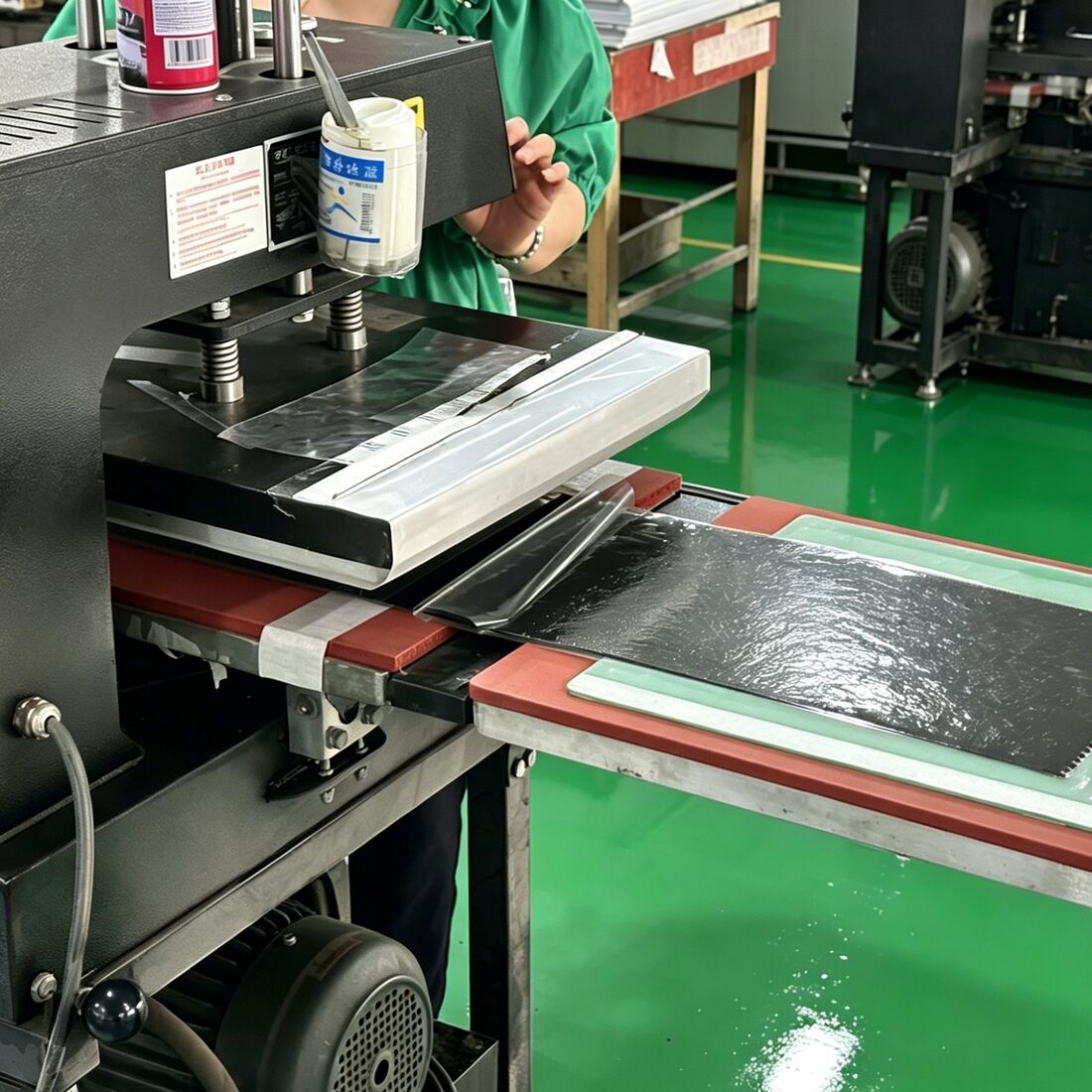
A sealed swatch tells you what the result should look like. The spec sheet tells the floor how to reproduce it. Behind a consistent rhinestone trim is a locked recipe: which stone lot, which base roll, the press temperature and dwell time, the claw or glue method, the count per unit area. Once an order is approved, those numbers stop being suggestions. The operator on the next run follows the same sheet the first run followed.
封样告诉你结果该长什么样。工艺单告诉车间怎么把它复刻出来。一条稳定的水钻辅料背后,是一张锁死的工艺单:用哪批钻、哪卷基材,压机温度和停留时间,爪镶还是上胶,单位面积放多少颗。订单一确认,这些数字就不再是"建议"。下一批的师傅,照着首批那张单子做。
This is where the diamond patches, rhinestone mesh and beaded trims a factory runs all share one discipline. The element on top changes. The habit of writing the run down, then running to the writing, does not. Ask a supplier whether they keep a production record per article, and you learn quickly whether consistency is a system or a hope.
不管是钻贴、水钻网片,还是混珠辅料,工厂跑这些活儿,靠的是同一套纪律。上面的元素换来换去。但"先把工艺写下来、再照着写的做"这个习惯不变。问一家供应商:每个货号是否留生产记录。一问,你很快就知道,一致性在他家是个系统,还是个指望。
AB Coating and Color: The Two That Move Most
AB 镀层和颜色:最容易动的两项
If something is going to drift, it's usually the AB coating or the color. The aurora finish on a rhinestone is a thin vapor layer, and thin layers are sensitive: a small change in the coating run shifts how the stone flashes blue, pink or gold. Color sits on the same knife edge, especially in pale shades and the in-between tones like light topaz, where a half-step looks like a different stone in the box.
真要跑,跑的多半是 AB 镀层或者颜色。水钻上那层极光,是很薄的一层镀膜,薄就敏感:镀膜那一炉稍微一变,钻闪出来的蓝、粉、金就不一样了。颜色也站在同一根刀刃上,浅色尤其,还有那些不上不下的中间色,比如浅托帕,差半档,装盒里看就像换了一颗钻。
The control is to match against a kept color card and the sealed sample together, under consistent lighting, before a roll is cleared to ship. The factory checks the new lot's coating and shade against the standard, not against what looks fine on the bench. For buyers, the practical move is to name your critical colors up front and ask that those specific shades be checked lot to lot. A blanket "match the sample" is weaker than "hold the light topaz and the AB to the sealed card."
控制办法是:拿留存的色卡和封样一起比,在固定光源下,一卷货放行出库前先比一遍。工厂是拿新批次的镀层和色调去对标准,不是对"台面上看着还行"。对采购来说,实操就是:把你在意的关键色提前点名,要求这几个具体色号逐批核对。一句笼统的"照样品做",比不上"浅托帕和 AB 必须对封样色卡"来得管用。
What Inspection Actually Catches
质检到底拦得住什么
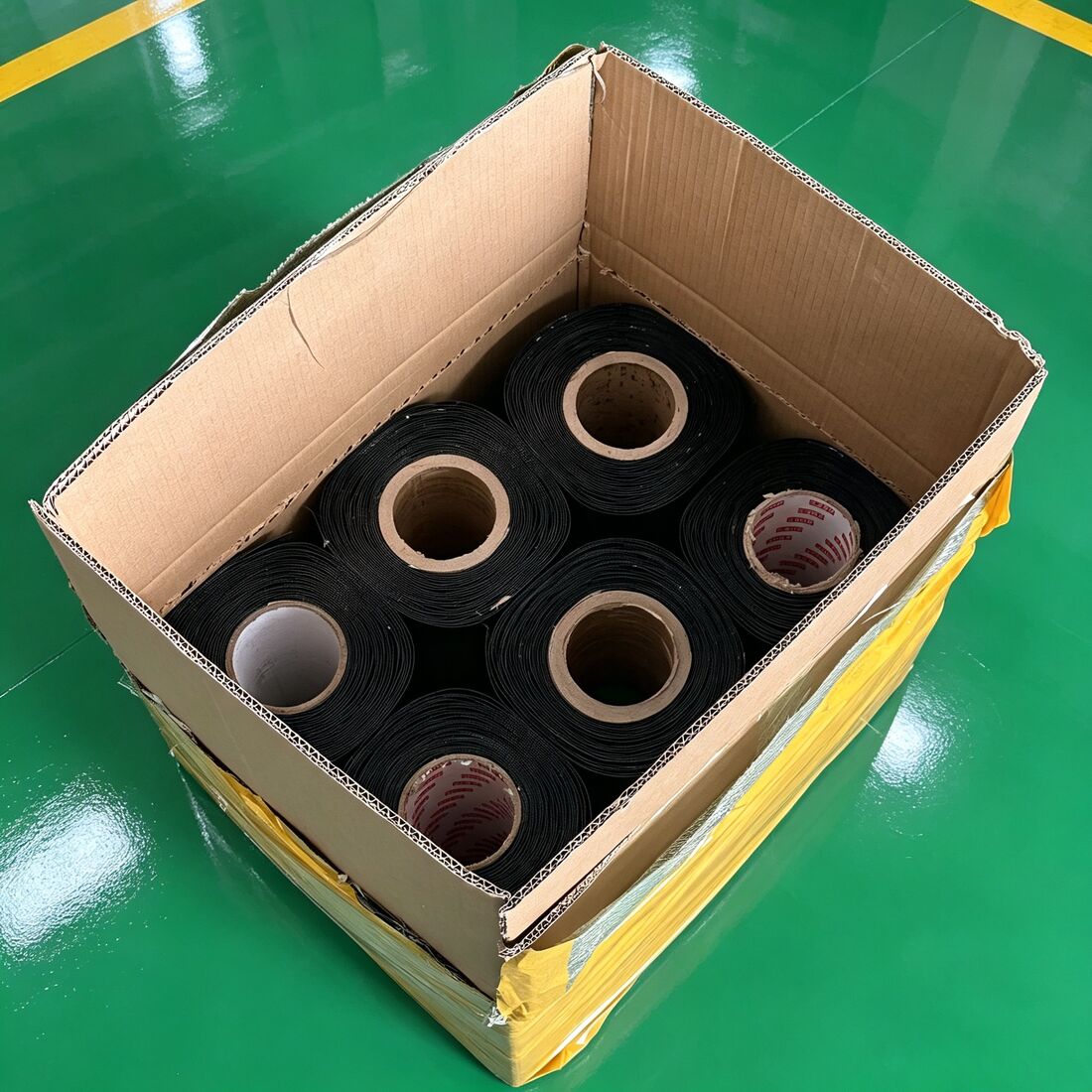
Inline checking does the quiet work. As a run comes off the line, someone is pulling pieces and comparing them to the standard for missing stones, drift in density, adhesive that grabs too little or too much, and color creep. Catching a slip mid-run is cheap. Catching it after a buyer opens the carton is not. The point of lot QC isn't to certify perfection, it's to stop a drifting batch before it becomes the batch that ships.
线上抽检干的是不声不响的活儿。一批货下线时,有人在抽件、对标准,看缺钻、密度有没有跑、背胶吃得够不够、颜色有没有偏。中途逮住一个小偏差,便宜。等采购开箱才逮住,贵。批次质检的意义不是给"完美"盖章,而是在一批正在跑偏的货变成那批已出的货之前,把它拦下来。
For high-stakes orders, ask for a small approval cut from the actual production run before the full quantity ships. It costs a few days. It also turns "I hope it matches" into "I've seen that it matches," which is the whole game on a reorder.
碰上要紧的订单,可以要求大货出之前,从实际生产的这一批里先剪一小段确认。多花几天。但它把"但愿能对上"变成"我看过了,对得上",返单这事儿,争的就是这一口。
What to Put in the Order So Batches Hold
下单时写清这几条,批次才稳
Consistency is partly the factory's discipline and partly what the buyer pins down on paper. A few lines in the order do most of the work:
一致性,一半靠工厂的纪律,一半靠采购在纸面上钉死的东西。订单里几行字,就能办成大半:
- Reference the sealed sample by article number and approval date, and state that it governs.
- Name the critical colors and AB finishes that must be checked lot to lot.
- Lock the base material shade and the stone mix, not just the top-line color.
- Ask for a production cut for approval before bulk ships on important orders.
- Request that each shipment stay traceable to its lot and run record.
- 用货号和确认日期点名那份封样,并写明以它为准。
- 点名那些必须逐批核对的关键色和 AB 效果。
- 把基材色调和钻的配比一起锁死,不是只锁面上那个主色。
- 要紧的订单,大货前要一段实际生产的确认样。
- 要求每一批出货都能追到它的批次和生产记录。
None of this is exotic. It's the difference between a supplier who runs reorders from a record and one who runs them from memory. At LOCACRYSTAL, sealed references and per-article production records are how a reorder placed months later still drops next to the first batch and matches. Seventeen years in, that's less a selling point than a habit, and it's the habit worth checking for in anyone you source rhinestone trims from.
这些都不玄。区别就在于:一家供应商照着记录跑返单,另一家凭记忆跑返单。在乐卡(LOCACRYSTAL),封样和按货号留的生产记录,就是几个月后下的返单,摆到首批旁边还能对上的原因。做了十七年,这与其说是卖点,不如说是个习惯。你找谁采购水钻辅料,都值得先看看对方有没有这个习惯。